How long is 1,065 feet?
These sourced examples translate 1,065 feet into familiar proportions, ranging from everyday objects to larger real-world references.
1,065-Foot Distance Comparisons
1,065 feet is about 160 times the length of a standard queen mattress.
The standard queen mattress used in many American bedrooms is approximately 80 inches long from head to foot. Its published measurement is 6.67 feet; the comparison comes from placing that figure against 1,065 feet.
Source: Sleep Foundation
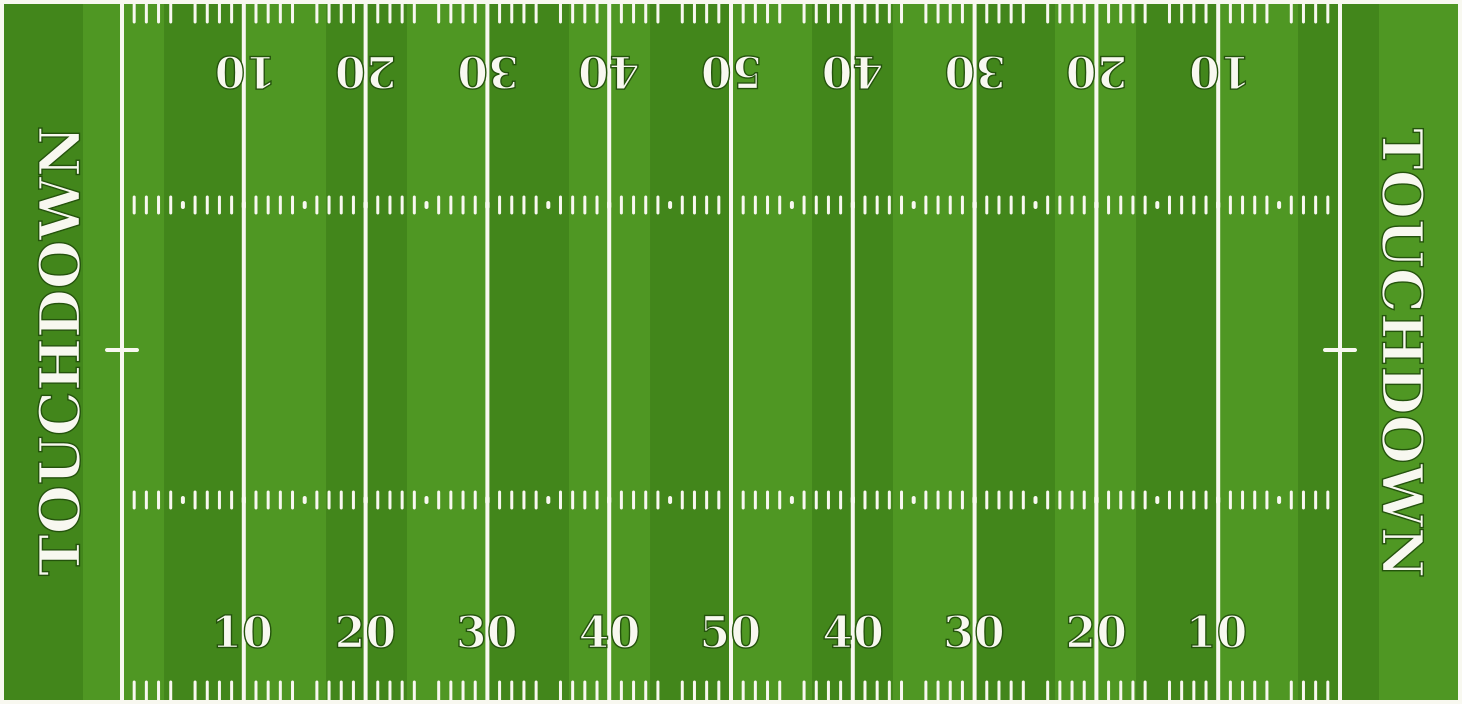
Compared with the full length of an NFL football field including end zones, 1,065 feet is about 3 times that measurement.
An NFL field is 120 yards long when its two 10-yard end zones are included with the 100-yard field of play. The source measurement converts to 360 feet, so the proportional comparison with 1,065 feet is 3 of those measurements.
Source: National Football League
Measured against the height of the Washington Monument, 1,065 feet is about 1.9 times that reference length.
The marble, granite, and bluestone Washington Monument rises approximately 555 feet above the National Mall. Using its published size of 555 feet, dividing 1,065 by that reference gives 1.9 of those measurements.
Source: National Park Service
Measured against the maximum length of a killer whale, 1,065 feet is about 33.3 times that reference length.
NOAA reports that male killer whales can reach approximately 32 feet in length at adulthood. Using its published size of 32 feet, dividing 1,065 by that reference gives 33.3 of those measurements.
Source: NOAA Fisheries
Picture the end-to-end length of the International Space Station: 1,065 feet is about 2.9 times its measured length.
NASA describes the International Space Station as 357 feet end to end, slightly longer than a football field. At 364.5 feet, this familiar reference provides a direct scale comparison: the target distance covers 2.9 of those measurements.
Source: NASA
A 1,065-foot distance works out to about 50 times the length of the Wright Flyer.
The pioneering 1903 Wright Flyer measured approximately 21 feet 3 inches from front to rear. At 21.3 feet, this familiar reference provides a direct scale comparison: the target distance covers 50 of those measurements.
Picture the length of a 100-metre sprint straight: 1,065 feet is about 3.2 times its measured length.
The Olympic 100-metre sprint covers approximately 328.1 feet from its starting line to the finish. At 328.08 feet, this familiar reference provides a direct scale comparison: the target distance covers 3.2 of those measurements.
Source: World Athletics
1,065 feet is approximately 324.6 meters.
Using the exact conversion that 1 foot equals exactly 0.3048 meters, the unrounded result is 324.612 meters.
Reference measurements are rounded where appropriate, and naturally variable objects are described as approximate, typical, or maximum sizes.
