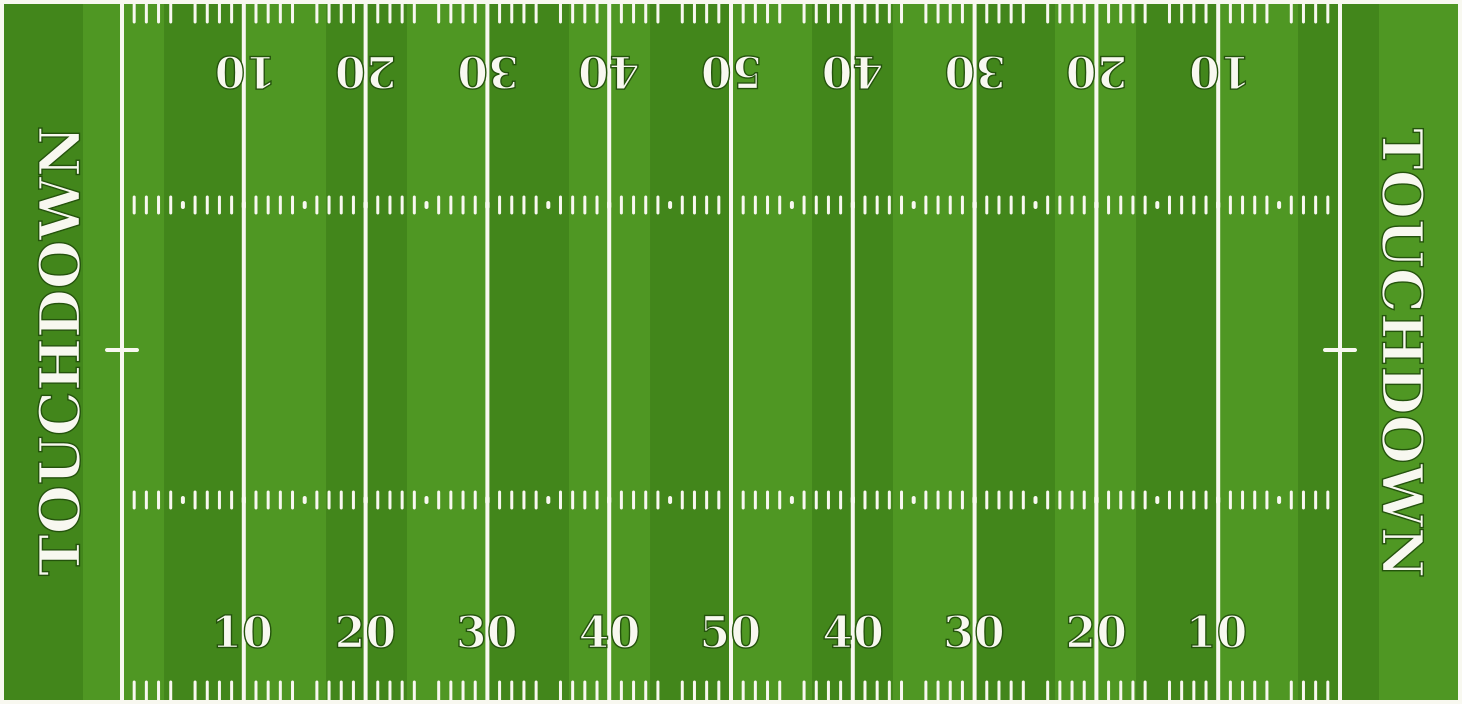
How long is 136 yards?
Instead of treating 136 yards as an abstract number, compare it with the recognizable measurements collected below.
136-Yard Distance Comparisons
Compared with the minimum clear width of an accessible doorway, 136 yards is about 153 times that measurement.
U.S. accessibility standards generally require at least 32 inches of clear passage width when an accessible door is opened. Its published measurement is 0.89 yards; the comparison comes from placing that figure against 136 yards.
Source: U.S. Access Board
Measured against the height of the Leaning Tower of Pisa, 136 yards is about 2.2 times that reference length.
The Leaning Tower of Pisa reaches approximately 183.5 feet on its taller side above the cathedral square. Using its published size of 61.17 yards, dividing 136 by that reference gives 2.2 of those measurements.
Source: Opera della Primaziale Pisana
Picture the height of Shasta Dam: 136 yards is about 68% of its measured length.
The Bureau of Reclamation describes Shasta Dam on California's Sacramento River as a 602-foot-high concrete gravity dam. Using its published size of 200.67 yards, dividing 136 by that reference gives 68% of that measurement.
Source: U.S. Bureau of Reclamation
Picture the maximum length of a humpback whale: 136 yards is about 6.8 times its measured length.
NOAA describes adult humpback whales as reaching lengths of approximately 60 feet in some populations. At 20 yards, this familiar reference provides a direct scale comparison: the target distance covers 6.8 of those measurements.
Source: NOAA Fisheries
Compared with the height of the Saturn V rocket, 136 yards is about 1.1 times that measurement.
NASA's Saturn V moon rocket stood 363 feet tall when fully assembled, slightly taller than a regulation football field is long. Its published measurement is 121.33 yards; the comparison comes from placing that figure against 136 yards.
Source: NASA
Compared with the length of an Olympic-size swimming pool, 136 yards is about 2.5 times that measurement.
World Aquatics specifies a 50-metre racing course for an Olympic long-course pool, equal to approximately 164 feet. Its published measurement is 54.68 yards; the comparison comes from placing that figure against 136 yards.
Source: World Aquatics
A 136-yard distance works out to about 46% of the length of RMS Titanic.
RMS Titanic measured approximately 882 feet 9 inches from bow to stern, or just under 294 yards in total length. At 294.25 yards, this familiar reference provides a direct scale comparison: the target distance covers 46% of that measurement.
Source: Royal Museums Greenwich
136 yards is approximately 124.4 meters.
Using the exact conversion that 1 yard equals exactly 0.9144 meters, the unrounded result is 124.358 meters.
Reference measurements are rounded where appropriate, and naturally variable objects are described as approximate, typical, or maximum sizes.
