How long is 184 metres?
The sourced comparisons below place 184 metres alongside recognizable real-world dimensions from several categories.
184-Metre Distance Comparisons
Measured against the height of the Taj Mahal, 184 metres spans about 2.5 times that reference.
The comparison uses the published dimension, converted into the same unit before the proportion is calculated.
Source: Archaeological Survey of India
Measured against the height of the General Sherman tree, 184 metres spans about 2.2 times that reference.
Its published measurement is 83.8 metres; the ratio is calculated from that figure.
Source: National Park Service
Measured against the length of RMS Titanic, 184 metres spans about 68% of that reference.
Using the source measurement of 269.1 metres, this comparison puts the target at 68% of it.
Source: Royal Museums Greenwich
184 metres is about 1.7 times the 110-metre hurdles event.
Using the source measurement of 110 metres, this comparison puts the target at 1.7 of it.
Source: World Athletics
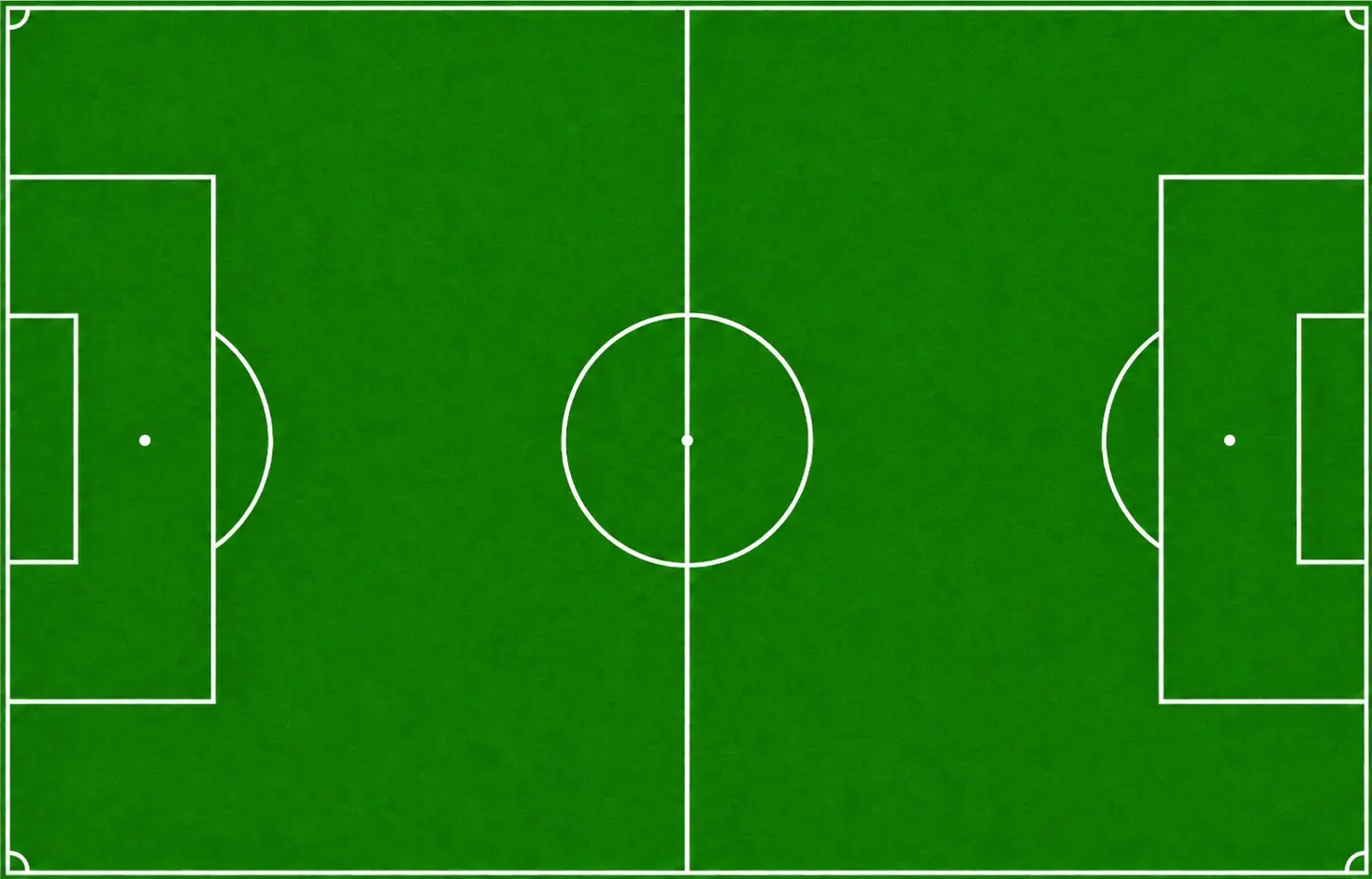
Measured against the recommended length of a football pitch, 184 metres spans about 1.8 times that reference.
Its published measurement is 105 metres; the ratio is calculated from that figure.
Source: FIFA
184 metres is about 6.6 times the length of a FIBA basketball court.
The comparison uses the published dimension, converted into the same unit before the proportion is calculated.
Source: FIBA
184 metres is about 7.4 times the length of a short-course competition pool.
Using the source measurement of 25 metres, this comparison puts the target at 7.4 of it.
Source: World Aquatics
184 metres is approximately 603.7 feet.
Using the exact conversion that 1 metre equals exactly 3.280839895 feet, the unrounded result is 603.675 feet.
Reference measurements are rounded where appropriate, and naturally variable objects are described as approximate, typical, or maximum sizes.
