How long is 258 metres?
258 metres is easier to picture beside familiar, measured objects, venues, vehicles, and landmarks.
258-Metre Distance Comparisons
258 metres is about 2 times the recommended length of an international rugby enclosure.
Its published measurement is 130 metres; the ratio is calculated from that figure.
Source: World Rugby
For scale, 258 metres is about 2.3 times the 110-metre hurdles event.
The comparison uses the published dimension, converted into the same unit before the proportion is calculated.
Source: World Athletics
For scale, 258 metres is almost exactly the same distance as the length of RMS Titanic.
Its published measurement is 269.1 metres; the ratio is calculated from that figure.
Source: Royal Museums Greenwich
For scale, 258 metres is about 1.5 times the height of the completed Tower of Jesus Christ.
Its published measurement is 172.5 metres; the ratio is calculated from that figure.
Source: Official Sagrada Família site
Measured against the original height of the Great Pyramid of Giza, 258 metres spans about 1.8 times that reference.
Its published measurement is 146.6 metres; the ratio is calculated from that figure.
Source: Royal Museums Greenwich
For scale, 258 metres is about 1.9 times the height of the London Eye.
Its published measurement is 135 metres; the ratio is calculated from that figure.
Source: Visit London
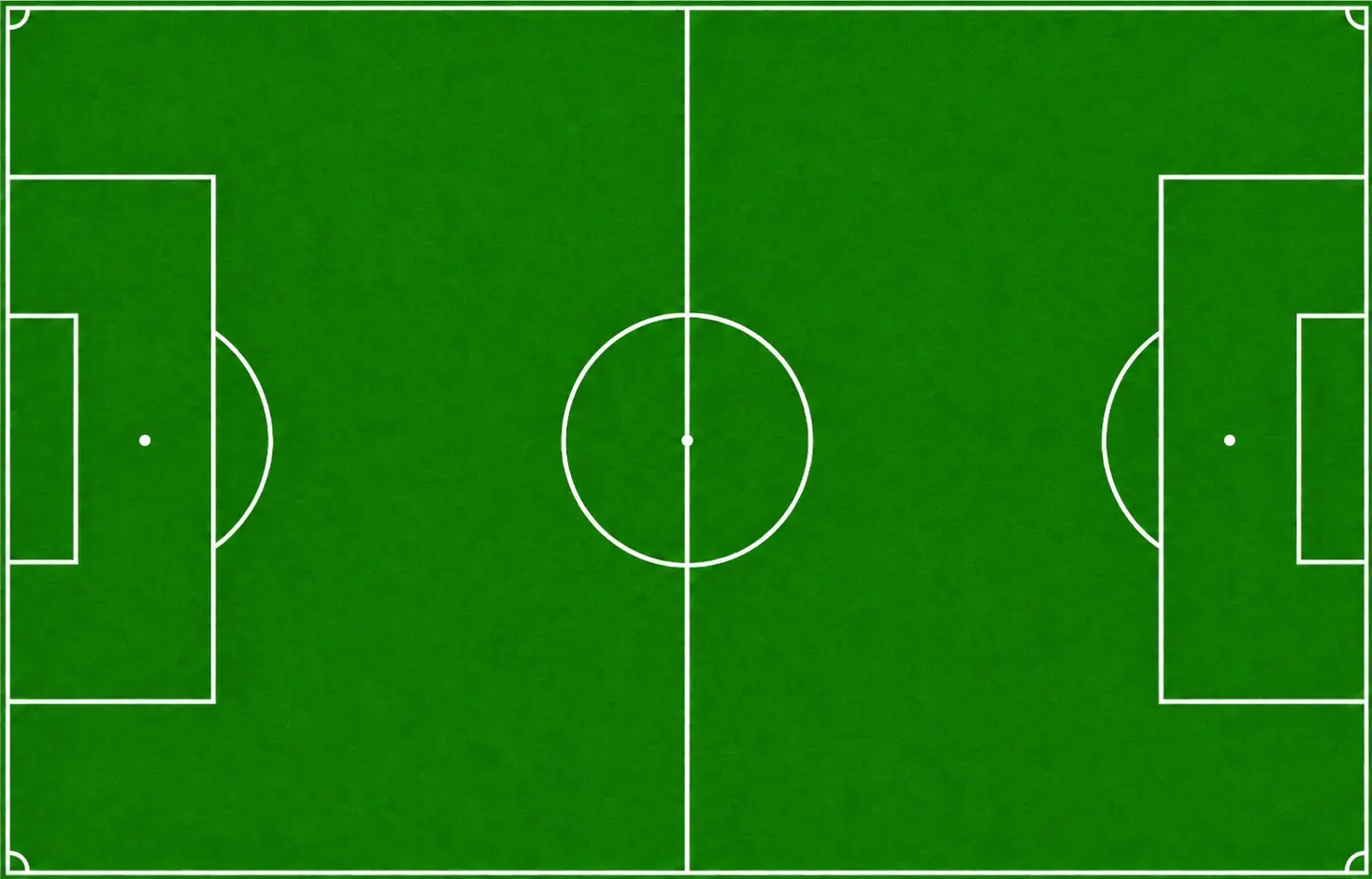
For scale, 258 metres is about 2.5 times the recommended length of a football pitch.
The comparison uses the published dimension, converted into the same unit before the proportion is calculated.
Source: FIFA
258 metres is approximately 846.5 feet.
Using the exact conversion that 1 metre equals exactly 3.280839895 feet, the unrounded result is 846.457 feet.
Reference measurements are rounded where appropriate, and naturally variable objects are described as approximate, typical, or maximum sizes.
