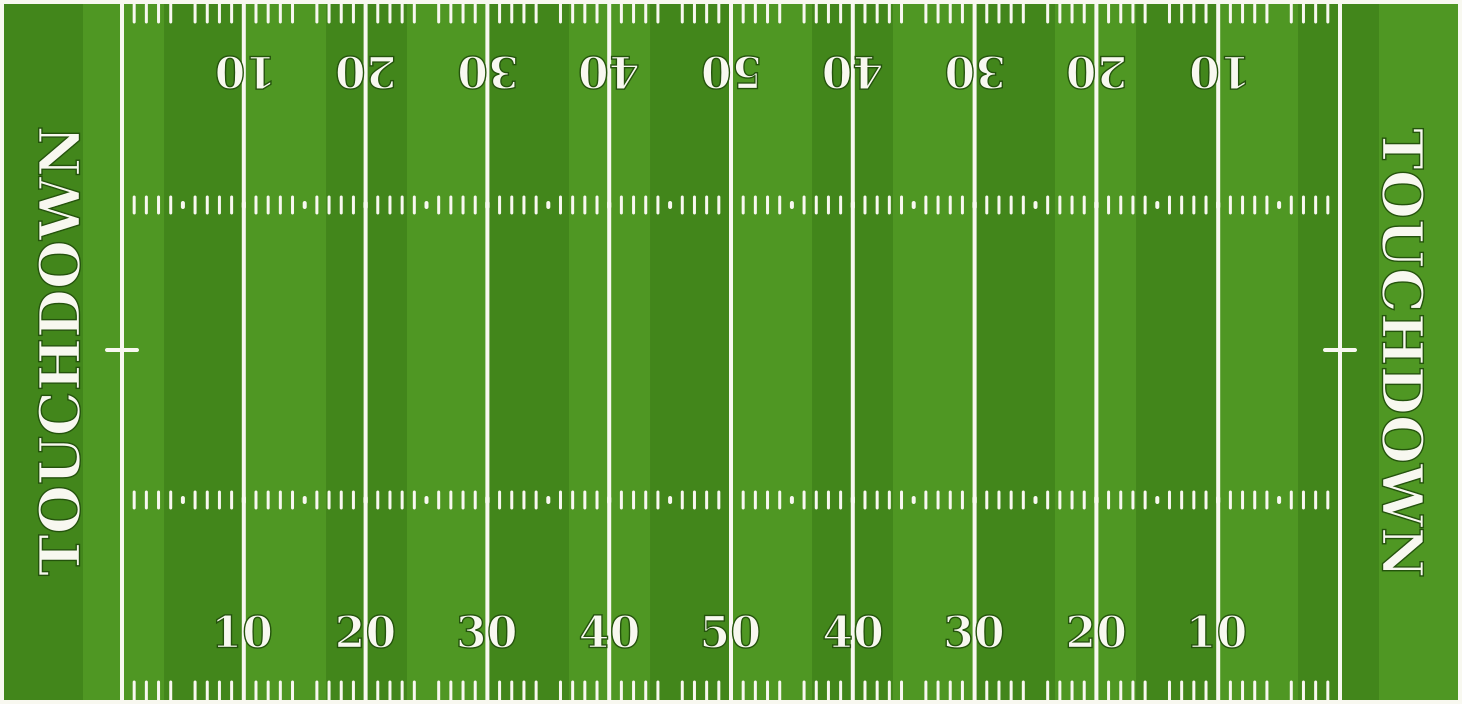
How long is 316 feet?
These sourced examples translate 316 feet into familiar proportions, ranging from everyday objects to larger real-world references.
316-Foot Distance Comparisons
A 316-foot distance works out to about 119 times the minimum clear width of an accessible doorway.
U.S. accessibility standards generally require at least 32 inches of clear passage width when an accessible door is opened. Using its published size of 2.67 feet, dividing 316 by that reference gives 119 of those measurements.
Source: U.S. Access Board
A 316-foot distance works out to about 1.9 times the length of an Olympic-size swimming pool.
World Aquatics specifies a 50-metre racing course for an Olympic long-course pool, equal to approximately 164 feet. At 164.04 feet, this familiar reference provides a direct scale comparison: the target distance covers 1.9 of those measurements.
Source: World Aquatics
Compared with the height of Shasta Dam, 316 feet is about 52% of that measurement.
The Bureau of Reclamation describes Shasta Dam on California's Sacramento River as a 602-foot-high concrete gravity dam. The source measurement converts to 602 feet, so the proportional comparison with 316 feet is 52% of that measurement.
Source: U.S. Bureau of Reclamation
A 316-foot distance works out to about 7.9 times the length of a large Tyrannosaurus rex.
Smithsonian fossil information places a large adult Tyrannosaurus rex at roughly 40 feet from snout to tail. At 40 feet, this familiar reference provides a direct scale comparison: the target distance covers 7.9 of those measurements.
Picture the length of a Boeing 787-9 Dreamliner: 316 feet is about 1.5 times its measured length.
Boeing lists the 787-9 Dreamliner at 206 feet from its nose to the end of its tail. Using its published size of 206 feet, dividing 316 by that reference gives 1.5 of those measurements.
Source: Boeing
Compared with the height of the Space Needle, 316 feet is about 52% of that measurement.
Seattle's Space Needle reaches 605 feet from its base to the top of its aircraft warning beacon. The source measurement converts to 605 feet, so the proportional comparison with 316 feet is 52% of that measurement.
Source: Space Needle
For scale, 316 feet spans about 2.6 times the length of a Space Shuttle orbiter.
NASA's Space Shuttle orbiter measured approximately 122 feet 3 inches from its nose to vertical tail. Its published measurement is 122.25 feet; the comparison comes from placing that figure against 316 feet.
Source: NASA
316 feet is approximately 96.3 meters.
Using the exact conversion that 1 foot equals exactly 0.3048 meters, the unrounded result is 96.317 meters.
Reference measurements are rounded where appropriate, and naturally variable objects are described as approximate, typical, or maximum sizes.
