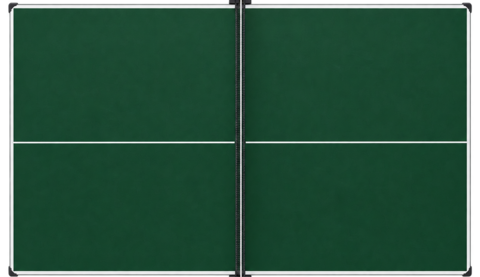
How long is 386 centimetres?
Rather than leaving 386 centimetres as an abstract number, these examples translate it into familiar scale.
386-Centimetre Distance Comparisons
386 centimetres is about 70% of the depth of a football goal area.
Using the source measurement of 550 centimetres, this comparison puts the target at 70% of it.
Source: FIFA
For scale, 386 centimetres is about 1.1 times the diameter of the ESO 3.6-metre telescope.
The comparison uses the published dimension, converted into the same unit before the proportion is calculated.
Source: European Southern Observatory
386 centimetres is about 6.5 times the long side of an A2 sheet.
The comparison uses the published dimension, converted into the same unit before the proportion is calculated.
For scale, 386 centimetres is about 14% of the length of a FIBA basketball court.
The comparison uses the published dimension, converted into the same unit before the proportion is calculated.
Source: FIBA
For scale, 386 centimetres is about 13% of the typical upper length of an adult blue whale.
The comparison uses the published dimension, converted into the same unit before the proportion is calculated.
Source: NOAA Fisheries
For scale, 386 centimetres is about 12% of the minimum length of a full FIBA court area.
Using the source measurement of 3,200 centimetres, this comparison puts the target at 12% of it.
Source: FIBA
386 centimetres is about 11% of the length of an Airbus A220-100.
Using the source measurement of 3,500 centimetres, this comparison puts the target at 11% of it.
Source: Airbus
386 centimetres is approximately 152 inches.
Using the exact conversion that 1 centimetre equals exactly 0.3937007874 inches, the unrounded result is 151.969 inches.
Reference measurements are rounded where appropriate, and naturally variable objects are described as approximate, typical, or maximum sizes.
