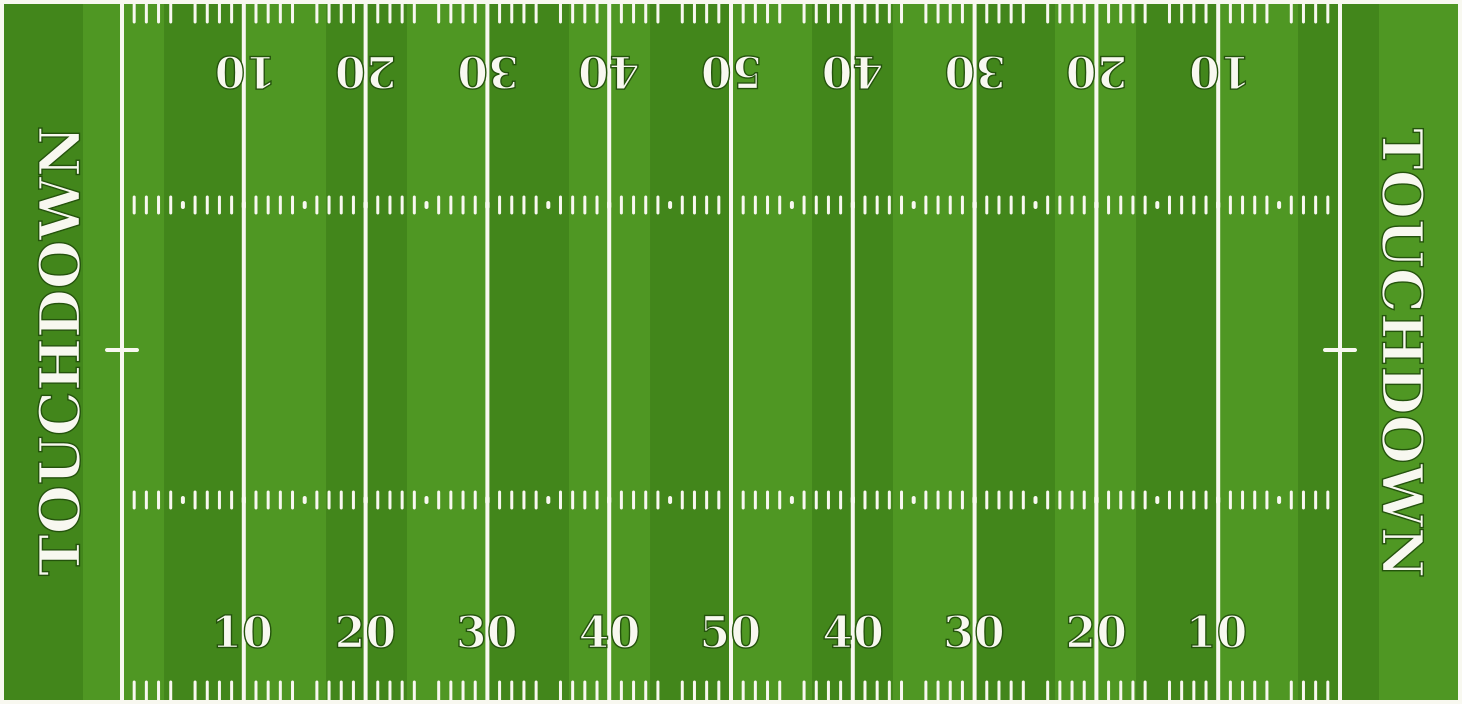
How long is 500 feet?
The physical scale of 500 feet becomes clearer when it is compared with recognizable things whose dimensions have been published.
500-Foot Distance Comparisons
Measured against the height of the Arc de Triomphe, 500 feet is about 3 times that reference length.
Paris's Arc de Triomphe rises approximately 164 feet above the center of Place Charles de Gaulle. Using its published size of 164 feet, dividing 500 by that reference gives 3 of those measurements.
Source: Centre des monuments nationaux
Picture the solar-array span of the International Space Station: 500 feet is about 2.1 times its measured length.
With its solar arrays extended, the International Space Station spans approximately 239 feet across its width. Using its published size of 239 feet, dividing 500 by that reference gives 2.1 of those measurements.
Source: NASA
For scale, 500 feet spans about 2.4 times the minimum international soccer-field width.
For international matches, the Laws of the Game require a field width of at least 64 metres. Its published measurement is 209.98 feet; the comparison comes from placing that figure against 500 feet.
Picture the wingspan of the Wright Flyer: 500 feet is about 12.3 times its measured length.
The Smithsonian records the 1903 Wright Flyer with a wingspan measuring approximately 40 feet 7 inches. At 40.57 feet, this familiar reference provides a direct scale comparison: the target distance covers 12.3 of those measurements.
Compared with the maximum length of a blue whale, 500 feet is about 5 times that measurement.
NOAA describes blue whales as reaching roughly 100 feet in length, making them the largest animals known to have lived on Earth. Its published measurement is 100 feet; the comparison comes from placing that figure against 500 feet.
Source: NOAA Fisheries
A 500-foot distance works out to about 75 times the minimum accessible doorway headroom.
U.S. accessibility guidance uses 80 inches as the minimum unobstructed vertical clearance along circulation paths and through most doorways. At 6.67 feet, this familiar reference provides a direct scale comparison: the target distance covers 75 of those measurements.
Source: U.S. Access Board
Measured against the maximum recorded length of a giant squid, 500 feet is about 11.6 times that reference length.
Smithsonian Ocean reports that the largest giant squid records reach approximately 43 feet in total length. At 43 feet, this familiar reference provides a direct scale comparison: the target distance covers 11.6 of those measurements.
Source: Smithsonian Ocean
500 feet is approximately 152.4 meters.
Using the exact conversion that 1 foot equals exactly 0.3048 meters, the unrounded result is 152.4 meters.
Reference measurements are rounded where appropriate, and naturally variable objects are described as approximate, typical, or maximum sizes.
