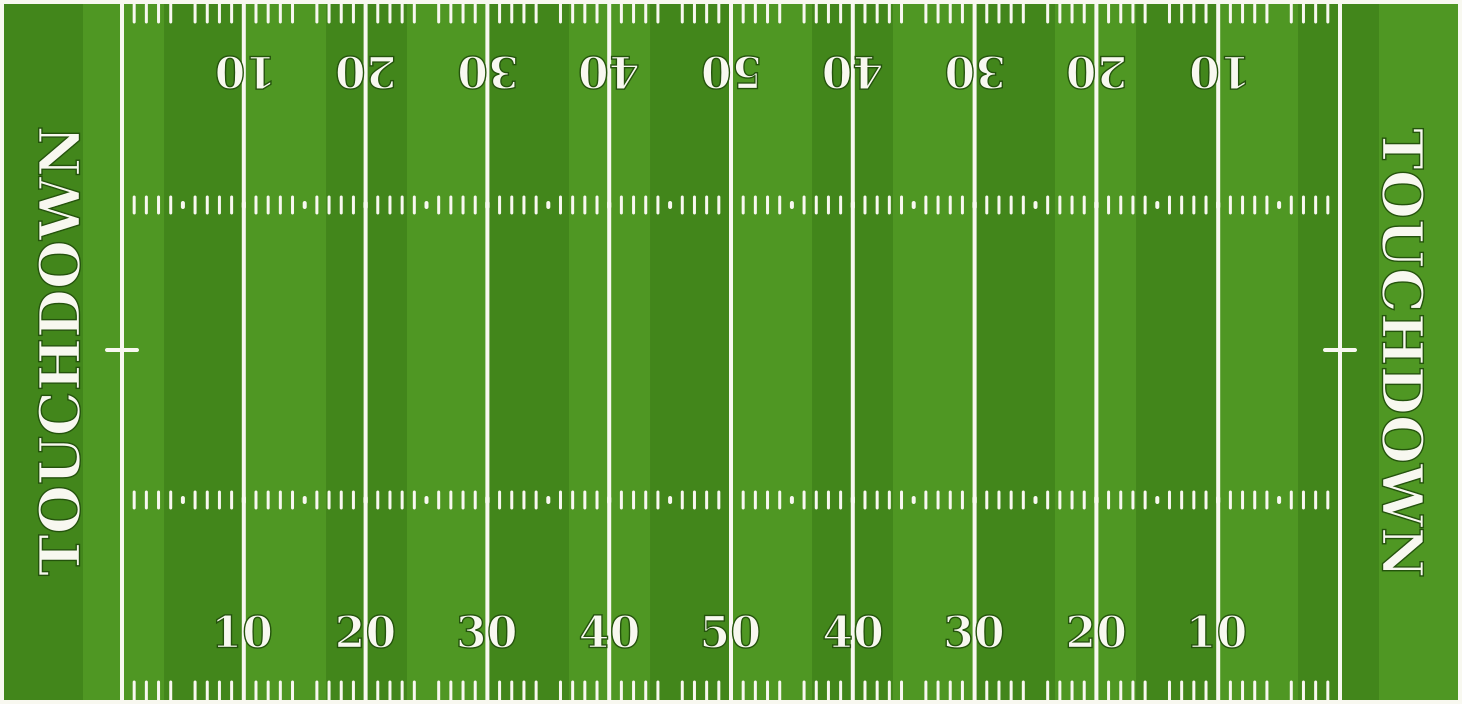
How long is 526 feet?
The physical scale of 526 feet becomes clearer when it is compared with recognizable things whose dimensions have been published.
526-Foot Distance Comparisons
526 feet is about 243 times the circumference of an indoor volleyball.
Official indoor volleyball rules specify a 65-to-67-centimetre circumference, whose midpoint is approximately 25.98 inches. Its published measurement is 2.17 feet; the comparison comes from placing that figure against 526 feet.
Measured against the minimum clear width of an accessible doorway, 526 feet is about 197 times that reference length.
U.S. accessibility standards generally require at least 32 inches of clear passage width when an accessible door is opened. At 2.67 feet, this familiar reference provides a direct scale comparison: the target distance covers 197 of those measurements.
Source: U.S. Access Board
For scale, 526 feet spans about 1.4 times the height of the Saturn V rocket.
NASA's Saturn V moon rocket stood 363 feet tall when fully assembled, slightly taller than a regulation football field is long. Its published measurement is 364 feet; the comparison comes from placing that figure against 526 feet.
Source: NASA
Measured against the height of Hoover Dam, 526 feet is about 72% of that reference length.
Hoover Dam rises 726 feet from its foundation in Black Canyon and holds back the Colorado River to form Lake Mead. Using its published size of 726 feet, dividing 526 by that reference gives 72% of that measurement.
Source: U.S. Bureau of Reclamation
For scale, 526 feet spans about 1.7 times the height of the Statue of Liberty from ground to torch.
From the ground at the base of the pedestal to the tip of the torch, the Statue of Liberty rises approximately 305 feet. Its published measurement is 305 feet; the comparison comes from placing that figure against 526 feet.
Source: National Park Service
Picture the maximum length of a humpback whale: 526 feet is about 8.8 times its measured length.
NOAA describes adult humpback whales as reaching lengths of approximately 60 feet in some populations. At 60 feet, this familiar reference provides a direct scale comparison: the target distance covers 8.8 of those measurements.
Source: NOAA Fisheries
Measured against the length of a Space Shuttle orbiter, 526 feet is about 4.3 times that reference length.
NASA's Space Shuttle orbiter measured approximately 122 feet 3 inches from its nose to vertical tail. At 122.25 feet, this familiar reference provides a direct scale comparison: the target distance covers 4.3 of those measurements.
Source: NASA
526 feet is approximately 160.3 meters.
Using the exact conversion that 1 foot equals exactly 0.3048 meters, the unrounded result is 160.325 meters.
Reference measurements are rounded where appropriate, and naturally variable objects are described as approximate, typical, or maximum sizes.
