How long is 535 centimetres?
Rather than leaving 535 centimetres as an abstract number, these examples translate it into familiar scale.
535-Centimetre Distance Comparisons
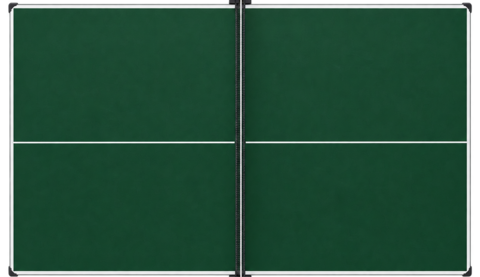
For scale, 535 centimetres is about 2 times the length of a table-tennis table.
The comparison uses the published dimension, converted into the same unit before the proportion is calculated.
Measured against the diameter of the ESO 3.6-metre telescope, 535 centimetres spans about 1.5 times that reference.
Its published measurement is 360 centimetres; the ratio is calculated from that figure.
Source: European Southern Observatory
Measured against the minimum height of a rugby corner flag, 535 centimetres spans about 4.5 times that reference.
Using the source measurement of 120 centimetres, this comparison puts the target at 4.5 of it.
Source: World Rugby
For scale, 535 centimetres is about 21% of the length of a short-course competition pool.
The comparison uses the published dimension, converted into the same unit before the proportion is calculated.
Source: World Aquatics
535 centimetres is about 5 times the height of a tennis net at the posts.
Using the source measurement of 107 centimetres, this comparison puts the target at 5 of it.
Source: International Tennis Federation
For scale, 535 centimetres is about 19% of the length of a FIBA basketball court.
Using the source measurement of 2,800 centimetres, this comparison puts the target at 19% of it.
Source: FIBA
535 centimetres is about 18% of the typical upper length of an adult blue whale.
The comparison uses the published dimension, converted into the same unit before the proportion is calculated.
Source: NOAA Fisheries
535 centimetres is approximately 210.6 inches.
Using the exact conversion that 1 centimetre equals exactly 0.3937007874 inches, the unrounded result is 210.63 inches.
Reference measurements are rounded where appropriate, and naturally variable objects are described as approximate, typical, or maximum sizes.
