How long is 650 feet?
650 feet can be easier to picture when it is measured against objects, animals, vehicles, sports spaces, and landmarks people already recognize.
650-Foot Distance Comparisons
650 feet is about 650 times the diameter of a full-size vinyl record.
The familiar long-playing record format uses a disc measuring approximately 12 inches across its diameter. Its published measurement is 1 foot; the comparison comes from placing that figure against 650 feet.
Source: Library of Congress
Measured against the maximum length of a sperm whale, 650 feet is about 12.5 times that reference length.
NOAA states that male sperm whales can grow to approximately 52 feet from head to tail. At 52 feet, this familiar reference provides a direct scale comparison: the target distance covers 12.5 of those measurements.
Source: NOAA Fisheries
For scale, 650 feet spans about 2.7 times the solar-array span of the International Space Station.
With its solar arrays extended, the International Space Station spans approximately 239 feet across its width. The source measurement converts to 239 feet, so the proportional comparison with 650 feet is 2.7 of those measurements.
Source: NASA
A 650-foot distance works out to about 3.1 times the minimum international soccer-field width.
For international matches, the Laws of the Game require a field width of at least 64 metres. Using its published size of 209.98 feet, dividing 650 by that reference gives 3.1 of those measurements.
A 650-foot distance works out to about 87% of the height of a Golden Gate Bridge tower.
Each Golden Gate Bridge tower rises 746 feet above the water, supporting the bridge's main cables. Using its published size of 746 feet, dividing 650 by that reference gives 87% of that measurement.
Source: Golden Gate Bridge Highway and Transportation District
Picture the length of USS Gerald R. Ford: 650 feet is about 60% of its measured length.
The U.S. Navy's Ford-class aircraft carrier measures approximately 1,092 feet from bow to stern. At 1,092 feet, this familiar reference provides a direct scale comparison: the target distance covers 60% of that measurement.
Source: United States Navy
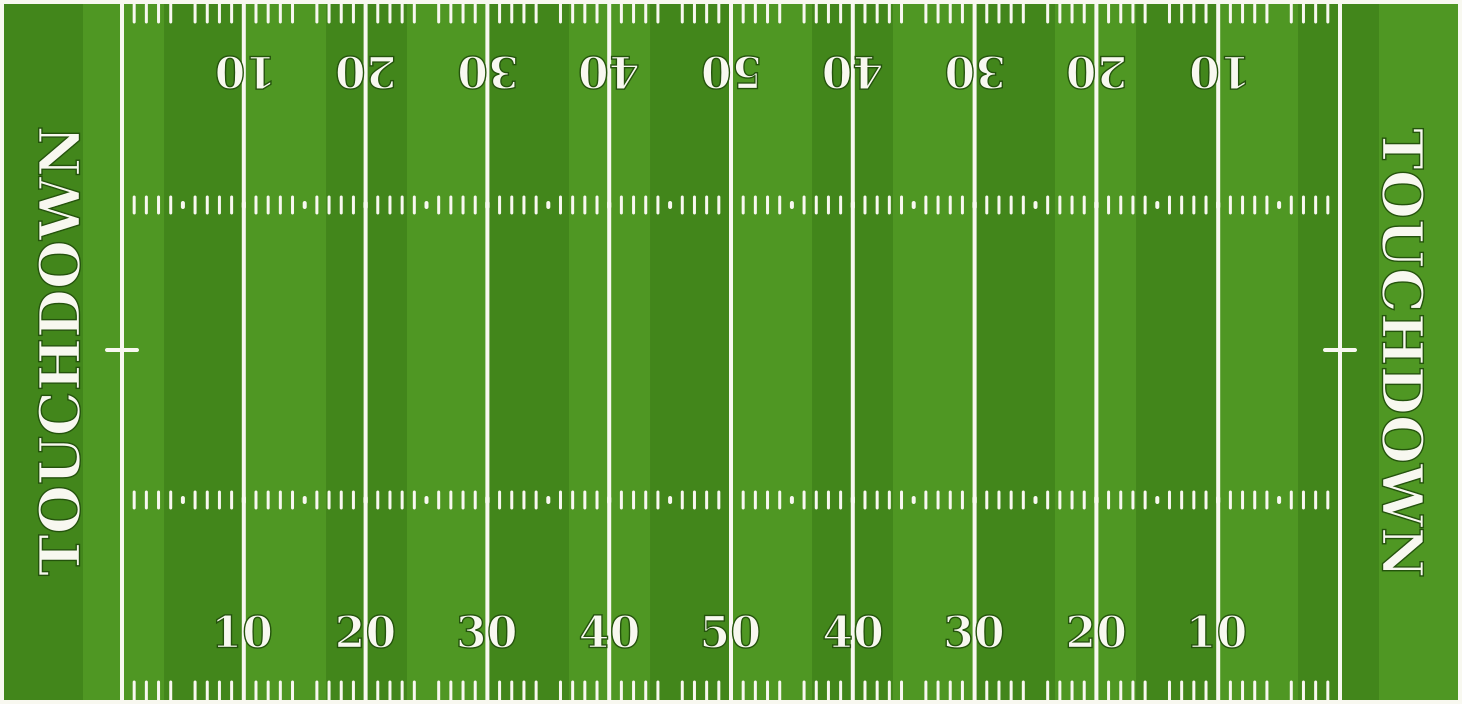
Measured against the depth of an NFL end zone, 650 feet is about 21.7 times that reference length.
Each NFL end zone extends 10 yards, or 30 feet, beyond its adjacent goal line. At 30 feet, this familiar reference provides a direct scale comparison: the target distance covers 21.7 of those measurements.
Source: National Football League
650 feet is approximately 198.1 meters.
Using the exact conversion that 1 foot equals exactly 0.3048 meters, the unrounded result is 198.12 meters.
Reference measurements are rounded where appropriate, and naturally variable objects are described as approximate, typical, or maximum sizes.
