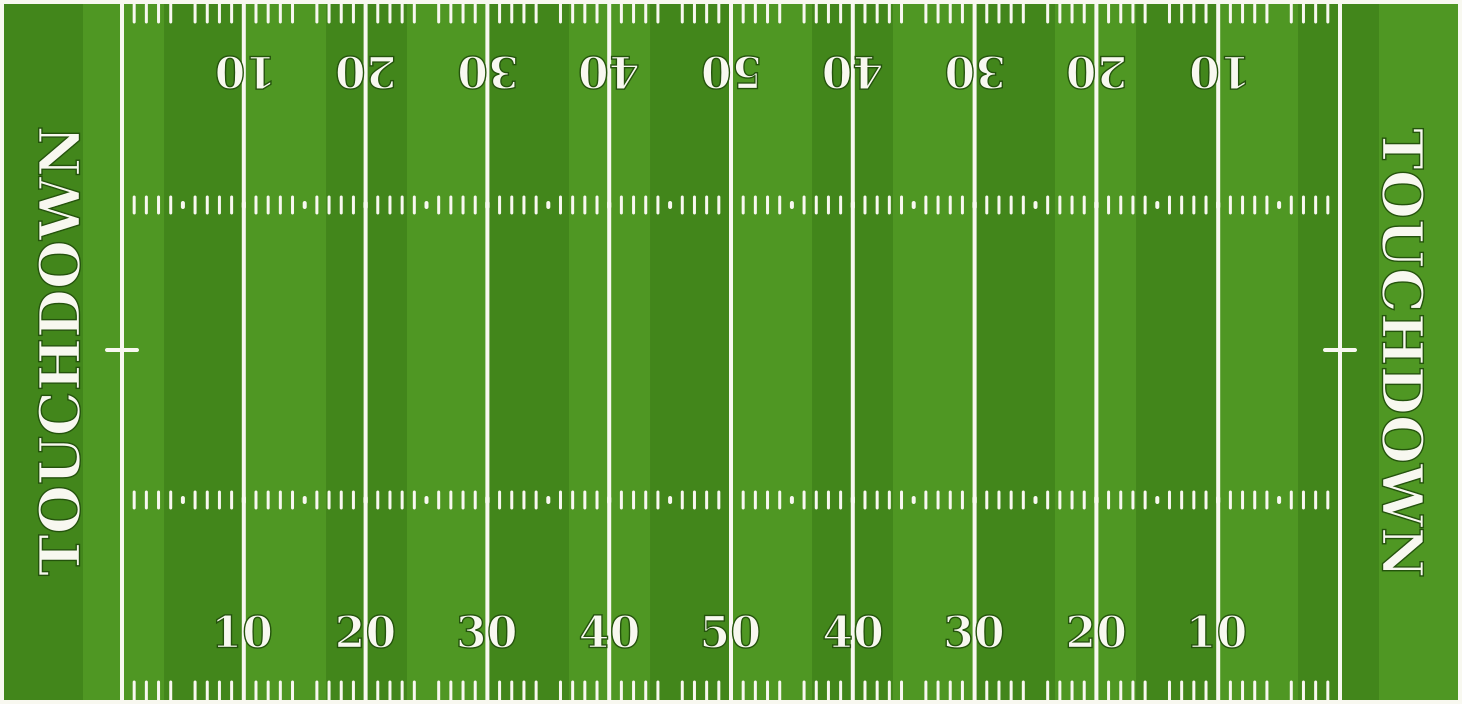
How long is 759 feet?
Instead of treating 759 feet as an abstract number, compare it with the recognizable measurements collected below.
759-Foot Distance Comparisons
Picture the wingspan of a Boeing 787 Dreamliner: 759 feet is about 3.9 times its measured length.
The composite wings of a Boeing 787 stretch approximately 197 feet from tip to tip. At 197 feet, this familiar reference provides a direct scale comparison: the target distance covers 3.9 of those measurements.
Source: Boeing
Picture the end-to-end length of the International Space Station: 759 feet is about 2.1 times its measured length.
NASA describes the International Space Station as 357 feet end to end, slightly longer than a football field. Using its published size of 364.5 feet, dividing 759 by that reference gives 2.1 of those measurements.
Source: NASA
A 759-foot distance works out to about 152 times the width of a standard queen mattress.
A standard queen mattress in the United States is approximately 60 inches wide, giving two sleepers about 30 inches of width each. At 5 feet, this familiar reference provides a direct scale comparison: the target distance covers 152 of those measurements.
Source: Sleep Foundation
For scale, 759 feet spans about 23.7 times the maximum length of a killer whale.
NOAA reports that male killer whales can reach approximately 32 feet in length at adulthood. Its published measurement is 32 feet; the comparison comes from placing that figure against 759 feet.
Source: NOAA Fisheries
A 759-foot distance works out to about 61% of the roof height of the Empire State Building.
The Empire State Building reaches 1,250 feet to its roof before its upper mast and antenna are included. At 1,250 feet, this familiar reference provides a direct scale comparison: the target distance covers 61% of that measurement.
Source: Empire State Realty Trust
Picture the maximum international soccer-field length: 759 feet is about 1.9 times its measured length.
International soccer fields may extend to 120 metres, or approximately 131.2 yards, along each touchline. At 393.7 feet, this familiar reference provides a direct scale comparison: the target distance covers 1.9 of those measurements.
Compared with the length of a 100-metre sprint straight, 759 feet is about 2.3 times that measurement.
The Olympic 100-metre sprint covers approximately 328.1 feet from its starting line to the finish. Its published measurement is 328.08 feet; the comparison comes from placing that figure against 759 feet.
Source: World Athletics
759 feet is approximately 231.3 meters.
Using the exact conversion that 1 foot equals exactly 0.3048 meters, the unrounded result is 231.343 meters.
Reference measurements are rounded where appropriate, and naturally variable objects are described as approximate, typical, or maximum sizes.
