How long is 869 feet?
869 feet can be easier to picture when it is measured against objects, animals, vehicles, sports spaces, and landmarks people already recognize.
869-Foot Distance Comparisons
For scale, 869 feet spans about 8.7 times the maximum length of a blue whale.
NOAA describes blue whales as reaching roughly 100 feet in length, making them the largest animals known to have lived on Earth. The source measurement converts to 100 feet, so the proportional comparison with 869 feet is 8.7 of those measurements.
Source: NOAA Fisheries
869 feet is about 83% of the height of the Chrysler Building.
New York's Art Deco Chrysler Building reaches 1,046 feet to the top of its stainless-steel spire. Its published measurement is 1,046 feet; the comparison comes from placing that figure against 869 feet.
Compared with the diameter of a full-size vinyl record, 869 feet is about 869 times that measurement.
The familiar long-playing record format uses a disc measuring approximately 12 inches across its diameter. Its published measurement is 1 foot; the comparison comes from placing that figure against 869 feet.
Source: Library of Congress
A 869-foot distance works out to about 80% of the length of USS Gerald R. Ford.
The U.S. Navy's Ford-class aircraft carrier measures approximately 1,092 feet from bow to stern. At 1,092 feet, this familiar reference provides a direct scale comparison: the target distance covers 80% of that measurement.
Source: United States Navy
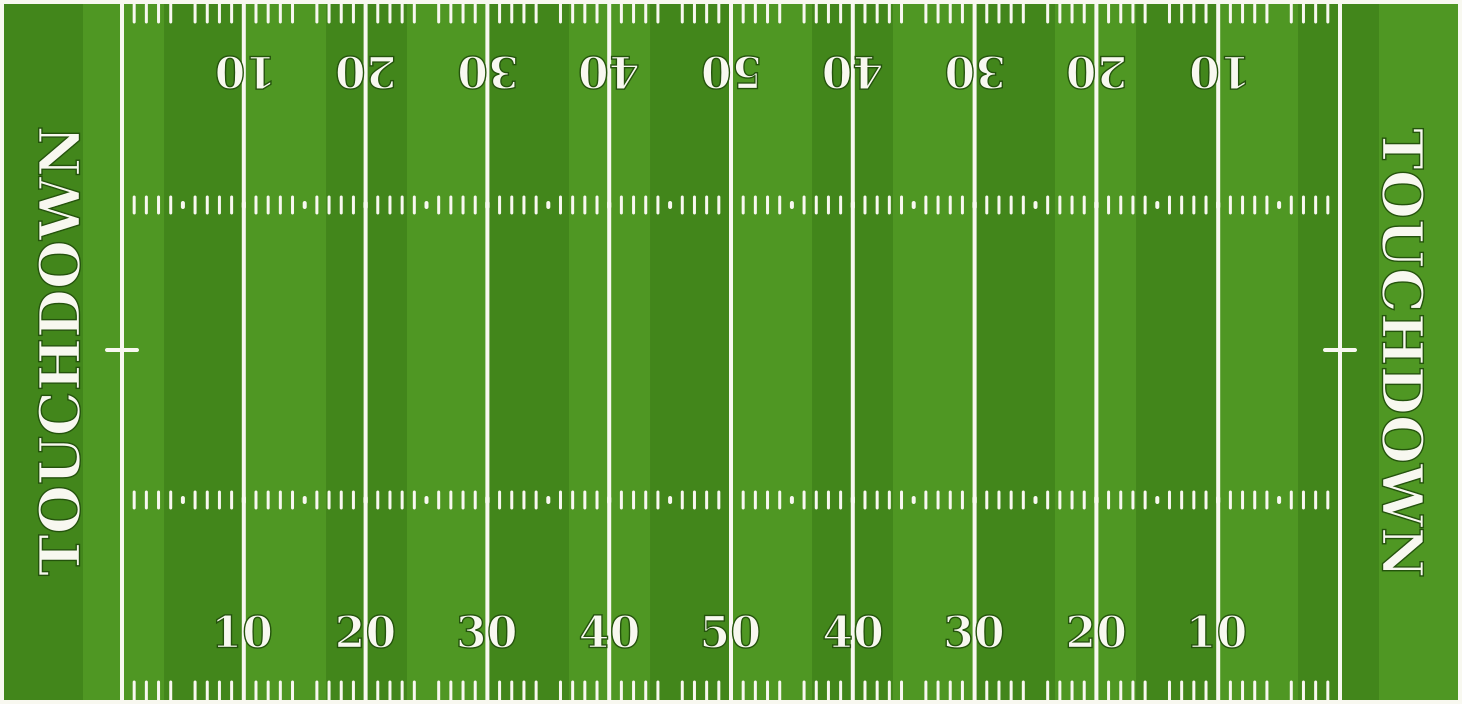
Compared with the minimum international soccer-field width, 869 feet is about 4.1 times that measurement.
For international matches, the Laws of the Game require a field width of at least 64 metres. Its published measurement is 209.98 feet; the comparison comes from placing that figure against 869 feet.
Measured against the solar-array span of the International Space Station, 869 feet is about 3.6 times that reference length.
With its solar arrays extended, the International Space Station spans approximately 239 feet across its width. At 239 feet, this familiar reference provides a direct scale comparison: the target distance covers 3.6 of those measurements.
Source: NASA
Measured against the standard 20-foot shipping container, 869 feet is about 43.5 times that reference length.
The 20-foot intermodal container is one of the two globally familiar container lengths used to move freight by ship, rail, and truck. Using its published size of 20 feet, dividing 869 by that reference gives 43.5 of those measurements.
869 feet is approximately 264.9 meters.
Using the exact conversion that 1 foot equals exactly 0.3048 meters, the unrounded result is 264.871 meters.
Reference measurements are rounded where appropriate, and naturally variable objects are described as approximate, typical, or maximum sizes.
